


 Recommended Season:
 Trip Style:
 Group Size:
 Walking Distance:
 Meals:
Trip at a Glance
Highlights of the tour
- Private campsites on sandy beaches managed by MAYUC, providing more secluded rest spots than crowded areas used in standard expeditions from other providers.
- MAYUC-owned private transportation with drivers skilled in crossing high passes and jungle roads, offering greater reliability over shared vehicles from competing tours.
- Multilingual guides from MAYUC with extensive backgrounds in directing global visitors, delivering richer insights than entry-level narratives in similar packages.
- Comprehensive rafting gear rated for advanced river sections, upheld to MAYUC quality levels that exceed basic supplies often seen elsewhere.
- Meals crafted from natural, organic local sources, with provisions for international preferences at additional expense, distinguishing from uniform offerings in rival adventures.
- Lodge stay at Tambopata Research Center, included for enhanced comfort, a feature not always present in budget-oriented trips by other agencies.
- Ongoing monitoring by a MAYUC coordinator tracking your path, ensuring prompt responses unlike the minimal supervision in many group outings.
- Emphasis on small participant numbers for customized pacing, elevating it above larger, standardized expeditions from alternative travel operators.
Trip Details
- Duration: 8 days and 7 nights, beginning with transport from Cusco and concluding with airport transfer in Puerto Maldonado.
- Starting Price: From US$2290 per person, varying by group size and selected services through MAYUC.
- Advance Payment Required: US$1200 to hold your reservation, covering early logistics handled by the MAYUC staff.
- Minimum Altitude: 2233 meters above sea level, experienced in river valleys within the reserve.
- Maximum Altitude: 2233 meters above sea level, maintained across most navigation points in the lower basin.
- Total Distance Covered: Approximately 160 kilometers primarily by river, including side observations on foot.
- Best Time to Go: From April through October, during periods of lower rainfall that facilitate safer river travel in the tropical lowlands.
- Type of Experience: Centered on jungle exploration, combining water-based movement with wildlife viewing in Amazonian settings.
Trip Summary
Day 1: Cusco to Putina Punco
- Morning: Pickup from hotel in Cusco via private transportation.
- During travel: Cross altiplano and reach a high pass at approximately 4572 meters.
- Arrival: Meet at the Amazon basin edge.
Day 2: Tambopata River Navigation
- Morning departure: Leave civilization traces.
- Throughout day: Use river as path, navigate to sandy beach camps.
- Opportunities: Spot diverse wildlife.
Day 3: Exotic Animals and Rafting
- River travel: Handle class II and III rapids.
- Observations: See flora, fauna like anteaters and giant otters.
- Afternoon: Reach camp for relaxation and dinner.
Day 4: Lush Vegetation and Rafting
- Landscape shift: Narrower river with class III and IV challenges.
- Wildlife chances: Encounter native animals, possibly monkeys.
Day 5: Lush Vegetation and Rafting Continuation
- Surroundings: Dense vegetation, class III and IV rapids.
- Potential sightings: Monkeys, capybaras, tapirs, giant river otters.
- Evening: Camp at Macaw Clay Lick on riverbank.
Day 6: Tambopata Macaw Clay Lick to Tambopata Research Center
- River section: Quiet stretch for calm observation of flora and fauna.
- End of day: Arrive at Macaw Clay Lick.
- Night: Stay at Tambopata Research Center lodge.
Day 7: Tambopata River to Puerto Maldonado
- Dawn: Watch macaws on clay bank.
- Later: Motor canoe transfer to Puerto Maldonado.
- Evening: Hotel stay with farewell dinner.
Day 8: Puerto Maldonado to Cusco or Lima
- Morning: Breakfast.
- Transfer: Hotel to airport.
TRIP ITINERARY
CUSCO –PUTINAPUNCU
The tour starts with a pickup from your hotel in Cusco using MAYUC’s private transportation.
This vehicle, driven by personnel trained for such crossings, carries the group over the altiplano.
The path leads up to a pass at approximately 4572 meters above sea level.
Upon reaching the edge of the Amazon basin, this serves as the gathering spot.
Guides, skilled in multilingual communication with international groups, outline the upcoming days.
Breakfast, lunch, and dinner are served, incorporating organic elements from the region.
A MAYUC representative notes your progress from the start.
TAMBOPATA RIVER
As the group moves away from remaining signs of settlements, the river becomes the main route.
Navigation proceeds downstream to set up camp on sandy beaches.
These locations allow chances to notice a range of wildlife in their habitats.
Guides provide explanations on the species encountered, based on their broad route knowledge.
The day’s activities focus on steady progress with observation breaks.
Meals include breakfast, lunch, and dinner, with local organic ingredients; international options possible via MAYUC reservations, at potential added cost.
The MAYUC overseer tracks the schedule.
EXOTIC ANIMALS AND RAFTING
The river stays mostly steady, with sections of class II and III rapids to manage.
Travelers start to note various plants and animals, including anteaters and giant otters facing extinction risks.
Guides detail these observations, drawing from years of experience in similar environments.
In the afternoon, arrival at camp permits rest time.
A prepared dinner follows, using fresh components from nearby sources.
Breakfast and lunch complete the day’s provisions.
Ongoing monitoring by a MAYUC contact ensures smooth operations.
LUSH VEGETATION AND RAFTING
Today, the surroundings alter gradually as the waterway narrows.
Rapids increase to class III and IV levels, requiring focused handling.
Continued views of jungle animals occur, and with fortune, monkeys appear in trees.
Guides elaborate on these sightings, enhancing understanding of local behaviors.
The group camps at a designated site for the night.
All meals—breakfast, lunch, dinner—feature natural, organic local items, with alternatives for global tastes available through MAYUC, possibly incurring extras.
A representative from MAYUC remains attentive to the itinerary.
LUSH VEGETATION AND RAFTING
The zone features thick plant growth around the river.
Class III and IV rapids provide ongoing navigation practice.
Opportunities arise to see monkeys, capybaras, tapirs, and giant river otters, plus additional creatures.
Guides share comprehensive facts on these, from their deep familiarity with the area.
The journey leads to the Macaw Clay Lick, where camping happens on the bank.
Breakfast, lunch, and dinner sustain the efforts.
The MAYUC coordinator follows developments closely.
TAMBOPATA MACAW CLAY LICK TAMBOPATA RESEARCH CENTER
This segment offers a peaceful river flow, aiding quiet appreciation of plants and animals.
The calm allows detailed looks at the environment.
Guides point out specifics, using their expertise in tourist paths.
The day concludes at the Macaw Clay Lick.
Overnight occurs at the Tambopata Research Center lodge.
Meals cover breakfast, lunch, and dinner, prepared with regional organics.
MAYUC’s representative keeps informed.
TAMBOPATA RIVER /PUERTO MALDONADO
At early light, observe numerous macaws displaying colors on the clay riverbank.
Guides explain this behavior in detail.
Subsequently, a motor canoe collects the group for transport to Puerto Maldonado, a border town.
The night passes in a hotel there.
A farewell dinner marks the end of services.
Breakfast and lunch are included.
The MAYUC overseer monitors until completion.
PUERTO MALDONADO CUSCO O LIMA
Begin with breakfast at the hotel.
Then, transfer proceeds from the hotel to the airport.
This facilitates connections to Cusco or Lima.
No further activities are scheduled.
MAYUC ensures the final steps align with your plans.
Inclusions
Included
- Private transportation from Cusco to Putina Punco, owned by MAYUC and operated by drivers with advanced training in diverse terrain, guaranteeing secure and timely arrivals.
- River transport continuing to Puerto Maldonado, arranged through MAYUC for consistent navigation support throughout the water portions.
- One night in a hotel at Puerto Maldonado, selected for basic comforts to ease the transition from wilderness to urban settings.
- All meals during the expedition, featuring 7 breakfasts, 7 lunches, and 7 dinners prepared with fresh Andean and Amazonian elements like fruits and roots, all from organic local suppliers; international dish alternatives available by inquiring with the MAYUC reservations team, which could add fees depending on selections.
- Complete professional rafting equipment, including dry bags to protect belongings from water, and items rated for class V conditions such as helmets, life jackets, and paddles for safe handling of rapids.
- Full camping setup with dining tent for group meals, double tents for shared sleeping, mattresses for rest, and other necessities to maintain comfort on riverbank sites.
- One night at the Tambopata Research Center lodge in double rooms, offering structured facilities amid the forest for a night’s recovery.
- Security measures and expert river guides, who possess specialized skills in rescue operations and first aid, ensuring participant safety across all segments.
Not Included
- Airfare to or from Lima or Cusco, along with any unspecified flights, which travelers must book separately to align with the schedule.
- Accommodations in Cusco and any city-based meals outside the program, allowing flexibility for personal arrangements before or after the expedition.
- Sleeping bag for camping nights, essential for warmth in cooler evening temperatures typical to river areas.
- Personal items like additional snacks or beverages not part of the provided meals.
- Optional excursions or extensions beyond the outlined route.
- Gratuities for staff, left to individual discretion based on service received.
- Any visa or entry fees if applicable for international participants.
Pricing
$ USD 3 190.00
Price per person
$ USD 2 790.00
Price per person
$ USD 2 490.00
Price per person
$ USD 2 290.00
Price per person
Inquire Now
What to Pack
- Passport or national ID document, required for check-ins at lodges and transport points, and to verify identity during the entire journey.
- Personal travel insurance policy, covering activities like rafting and hiking to handle any unexpected medical or evacuation needs in remote zones.
- Light clothing for the tour including long-sleeved shirts to protect against sun and insects, lightweight pants for mobility, and sandals for easy water access, plus a jacket for variable weather shifts.
- Specialized attire for rainy periods, such as quick-dry fabrics or ponchos, to stay comfortable if showers occur even in drier months.
- Any prescribed medications, stored in original containers with enough supply for the full 8 days, including extras for delays.
- Sunglasses to shield eyes from bright reflections on water, sunscreen with broad-spectrum protection against high UV in open areas, and a hat for head coverage.
- Insect repellent formulated for tropical environments, applied regularly to prevent bites from common bugs near rivers and forests.
- Reusable water bottle, to refill from treated sources and maintain hydration without generating excess waste.
- Swimsuit for potential dips in calmer river sections or to wear under gear during wetter navigation days.
- Camera with sufficient spare batteries, as charging options may be limited in camps, capturing wildlife moments without power concerns.
- Extra cash in small denominations, useful for minor purchases like local crafts at stops or tips.
- Binoculars for better viewing of distant animals, enhancing observations of birds and mammals from the raft.
- Flashlight or headlamp with batteries, for navigating camps at night when natural light fades early in dense areas.
- Small first-aid kit with basics like bandages and antiseptics, supplementing the guides’ supplies for minor issues.
- Notebook and pen, to jot down personal notes on sightings or experiences during quieter moments.
Frequently Asked Questions Rafting on the Headwaters of the Amazon Tambopata River (8 Days / 7 Nights)
What level of physical preparation is needed for this rafting expedition?
A basic to moderate fitness level is required for the 8-day rafting expedition. Participants should be able to paddle continuously for about 30 minutes, have some upper body strength for class IV rapids, and comfortably walk on uneven terrain. Light pre-trip training (swimming, paddling, or weights) is recommended, but the tour is accessible for active adults. Guides adjust pacing, and calmer sections provide recovery.
How does the river difficulty progress throughout the tour?
The rapids progress gradually: starting with class II–III on the early days for skill-building and confidence, then advancing to class III–IV in the narrower, more exciting later sections. This structured buildup allows participants to adapt, with guides teaching techniques before each major rapid.
Are there options for non-rafters in the group?
The tour is primarily focused on rafting, so full participation is ideal. However, for mixed-ability groups, alternatives like observing from shore, shorter rafting segments, or calmer eddies can sometimes be arranged. Discuss any modifications with the operator (e.g., MAYUC) at booking.
What wildlife sightings are most common on this route?
Common sightings include giant river otters, various monkey species (howler, squirrel, capuchin), colorful macaws and other birds at clay licks, capybaras along the banks, and occasionally tapirs or caimans. Guides with local expertise maximize spotting opportunities during quieter floats.
How is safety ensured during the rapids navigation?
Safety is prioritized with professional class V-rated equipment (rafts, paddles), mandatory life jackets and helmets, detailed pre-rapid briefings, and highly trained guides (rescue and first-aid certified) in every raft. River conditions are monitored constantly, drawing on extensive operator experience.
Can dietary restrictions be accommodated in the meals?
Yes, dietary needs such as vegetarian, vegan, gluten-free, or allergies can be accommodated using local ingredients like yuca, fruits, and fish alternatives. Inform the operator (e.g., MAYUC) at booking; most adjustments are included, though specific international requests may incur small extra costs.
What happens if rain affects the river levels?
Guides assess river conditions daily. If heavy rain raises water levels significantly, they may reroute to safer sections, add waiting time for stabilization, or implement contingency activities. Full cancellations are rare in the recommended season, and safety always takes precedence.
Is the lodge stay comfortable after camping nights?
Yes, the Tambopata Research Center lodge provides a comfortable contrast to riverside camping, with private or double rooms, proper beds, hot showers, and electricity. This mid- or late-tour stay allows excellent rest and recovery in a deeper jungle setting.
How does the tour support local conservation?
The tour partners with the Tambopata Reserve, directing fees toward wildlife monitoring, anti-poaching patrols, and habitat protection (especially for species like giant otters and macaws). Guides educate participants on conservation, promoting sustainable practices.
What if I need medical attention during the expedition?
Guides carry comprehensive first-aid kits for minor issues. For serious cases, organized evacuation protocols (boat/helicopter to Puerto Maldonado) are in place. Travel insurance with medical/evacuation coverage is required; prevention (hydration, insect protection) is emphasized due to remoteness.
Are children allowed on this multi-day rafting tour?
Children aged 12 and older can join if accompanied by parents and in good health, as the rapids and camping are suitable for active teens. Younger children are evaluated case-by-case by the operator due to duration and demands; child-sized safety gear is provided.
How multilingual are the guides for international travelers?
Guides are fluent in English and Spanish, with many also speaking Portuguese, French, or other languages. They adapt explanations, safety instructions, and wildlife commentary to the group’s needs, ensuring clear communication for international participants.
What cultural elements are highlighted along the route?
The tour touches on indigenous Ese Eja and local river communities’ traditions, including sustainable fishing, plant medicine knowledge, and historical river use. Guides with regional ties share respectful insights during stops and floats.
Is photography encouraged, and are there tips for it?
Photography is highly encouraged for personal memories. Guides offer tips on timing (e.g., dawn at clay licks for macaws) and non-disturbing techniques. Bring extra batteries and waterproof protection, as charging opportunities are limited in camps.
How eco-conscious are the camping practices?
Camping follows strict low-impact principles: biodegradable products, all waste packed out, minimal site alteration, and reusable items. Staff are trained in Leave No Trace ethics, and participants are briefed to help preserve the fragile Tambopata ecosystem.
Travel Guide about Rafting on the Headwaters of the Amazon Tambopata River (8 Days / 7 Nights)
Weather Conditions
In the Tambopata area, temperatures hover between 20 and 30 degrees Celsius daily, with high humidity year-round. Nights cool to 15 degrees. Rain falls frequently, even in dry months. I remember a sudden downpour during a calm river stretch, but it cleared quickly, adding to the fresh feel.
Seasonal Variations
April to October sees less precipitation, around 100-200 mm monthly per local records. November to March brings heavier rains, up to 300 mm, making paths muddier. Over 60% of annual rainfall occurs in wet season, stats show.
Local People and Culture
Residents near the river are often indigenous groups like Ese Eja, blending traditional fishing with tourism roles. They value nature deeply, sharing stories of forest spirits. On one expedition, a local boatman described plant uses for medicine, showing community knowledge passed down.
Daily Life Insights
Mornings involve river work, afternoons family time. About 80% depend on eco-tourism and farming, per regional data. Greet with respect; learning basic Spanish phrases helps connections.
Typical Food
Dishes include fish like pacu grilled with yuca, or banana leaf-wrapped meats. Fruits such as aguaje add sweetness. In Puerto Maldonado, try ceviche for US$4-6 at markets. I had a simple river fish meal once, energizing without heaviness.
Dining Options
Organic nuts and leaves feature heavily; request mild flavors if needed. City spots offer rice bowls cheaply. Hydrate with fruit juices to counter heat.
| Food Type | Local Example | Cost Range (US$) | Where to Find |
| Breakfast | Fruit and yuca | 3-5 | Lodge or camps |
| Lunch | Grilled fish | 5-8 | Riverbank stops |
| Dinner | Wrapped meats | 6-10 | Hotels or markets |
| Snack | Nuts | 1-2 | Local vendors |
Free Places to Explore
Stroll Puerto Maldonado’s markets for people-watching, no cost. Riverbanks near camps allow bird spotting freely. In the reserve, short trails offer views without fees. Tourism reports note over 40 free observation points in the zone.
Hidden Spots
Quiet coves by the Tambopata reveal butterflies. Anecdote: I sat by a bank spotting otters play, a serene no-charge moment.
Budget Eating Spots
Markets in Puerto Maldonado serve plates under US$3, fresh from the area. Avoid fancy eateries; opt for stalls with daily catches for value.
Dressing for the Route
Wear breathable long sleeves and pants to block bugs and sun. Quick-dry materials suit water days. Hats and sturdy shoes prevent slips. Year-round, pack layers for humidity swings. I wore light gear on a raft day, switching to a jacket at dusk.
Year-Round Advice
Dry season (Apr-Oct): Cotton blends, insect-proof. Wet season (Nov-Mar): Waterproof layers, rubber boots. Always include spare socks.
| Season | Top Layer | Bottom Layer | Accessories |
| Dry (Apr-Oct) | Long-sleeve shirt | Light pants | Hat, sunglasses |
| Wet (Nov-Mar) | Rain jacket | Waterproof trousers | Poncho, gloves |
Physical Effort and Health Needs
Effort includes daily rafting with paddling, moderate for arms and core, plus short walks. Rapids demand balance. Altitude starts high but drops; watch for dehydration. Fit for those walking 2-3 hours daily. I paced myself on rapids, avoiding fatigue.
Health Preparations
Vaccines like yellow fever advised; 20% visitors report minor stomach issues per studies. Carry anti-malaria if prone. Acclimatize gradually; consult physicians for conditions.
Reviews about Rafting on the Headwaters of the Amazon Tambopata River (8 Days / 7 Nights)
Optional Trips

Apurimac River Black Canyon 01 Day
Lorem ipsum dolor sit amet, consectetur adipiscing elit. Sed vestibulum lorem vitae porttitor accumsan. Integer id est ex
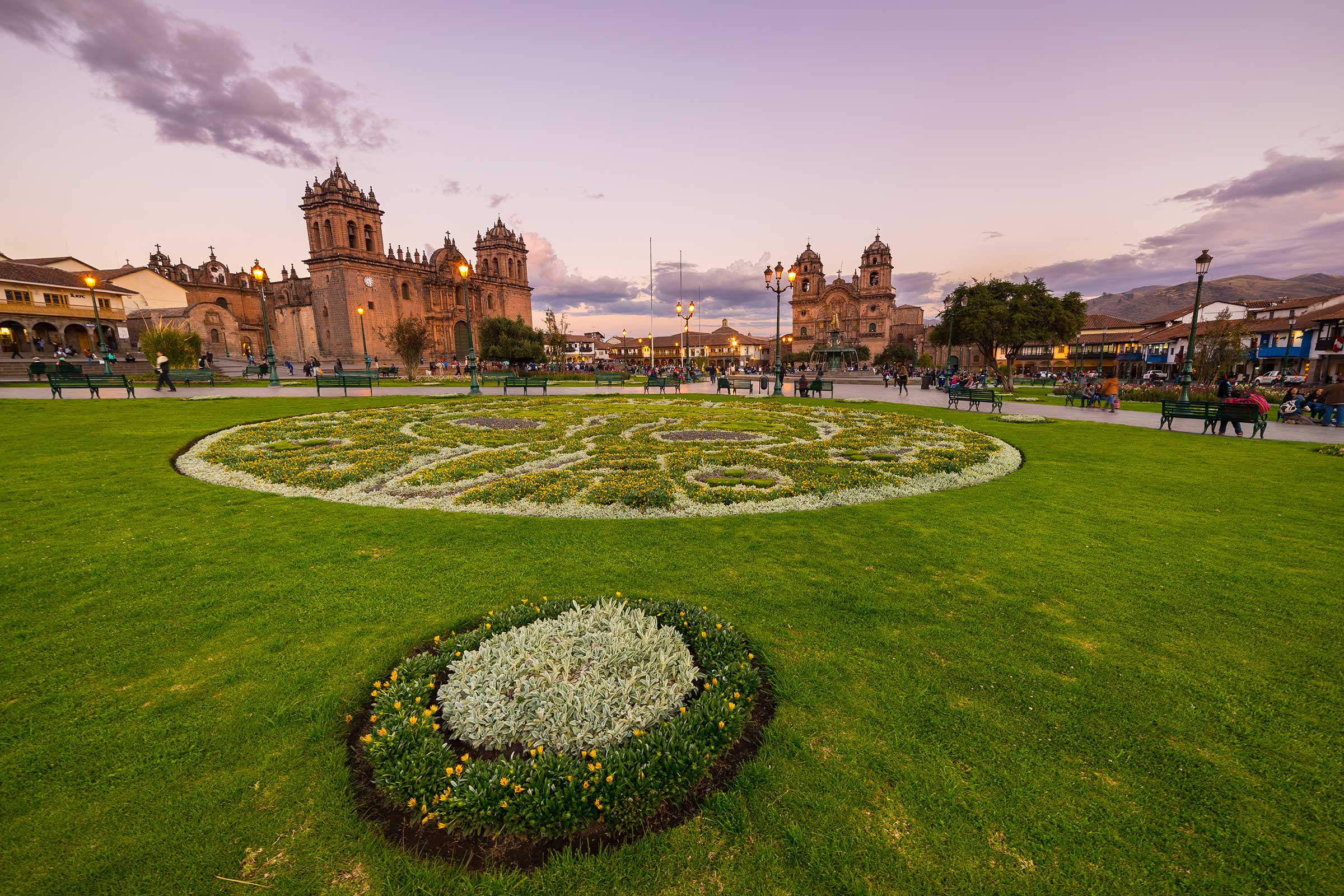
Classic Cusco Tour (4 Days / 3 Nights)
Lorem ipsum dolor sit amet, consectetur adipiscing elit. Sed vestibulum lorem vitae porttitor accumsan. Integer id est ex
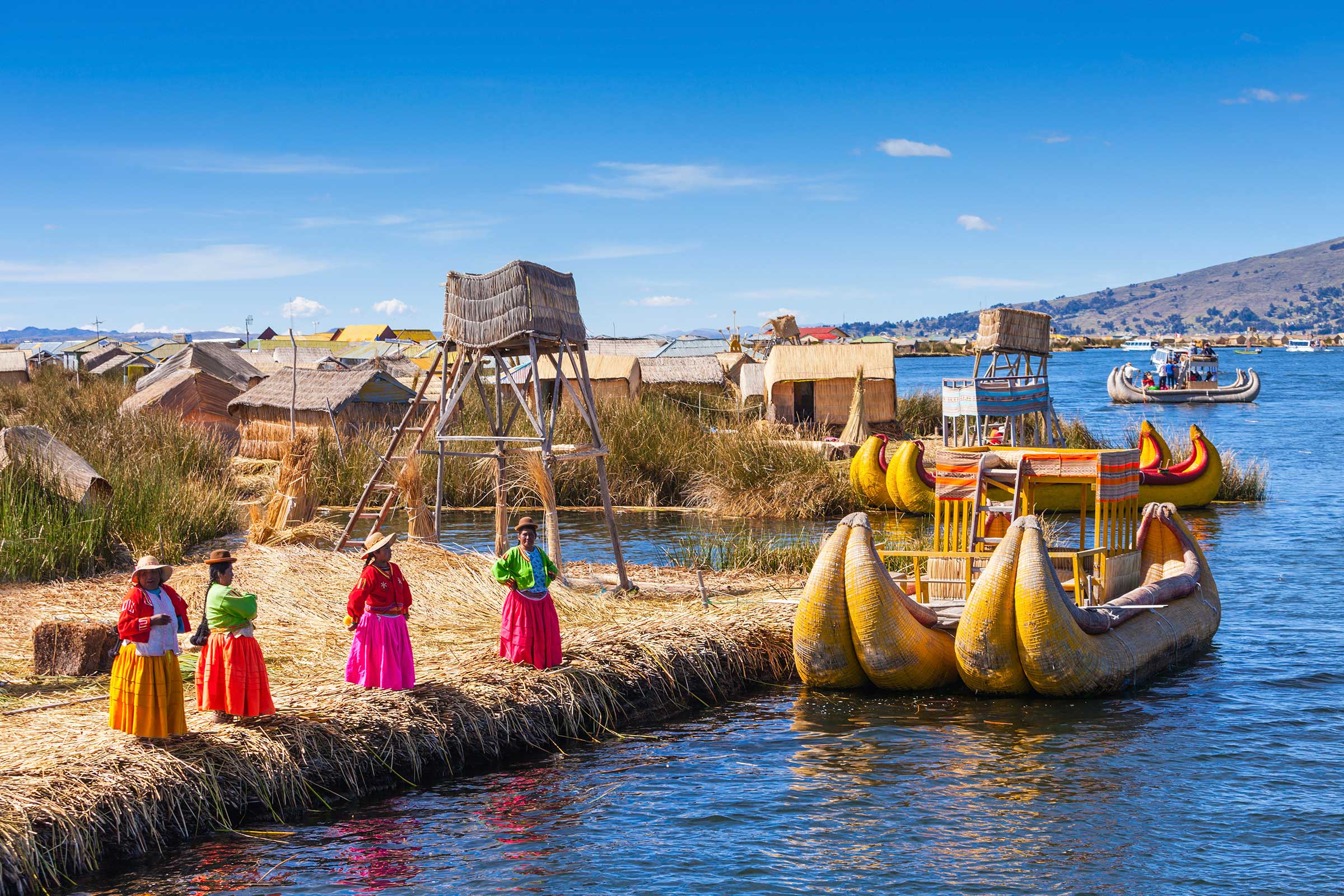
Tour Lake Titicaca (3 Days / 2 Nights)
Lorem ipsum dolor sit amet, consectetur adipiscing elit. Sed vestibulum lorem vitae porttitor accumsan. Integer id est ex

Urubamba River and Queswachaca Bridge – 2 Days / 1 Night
Lorem ipsum dolor sit amet, consectetur adipiscing elit. Sed vestibulum lorem vitae porttitor accumsan. Integer id est ex
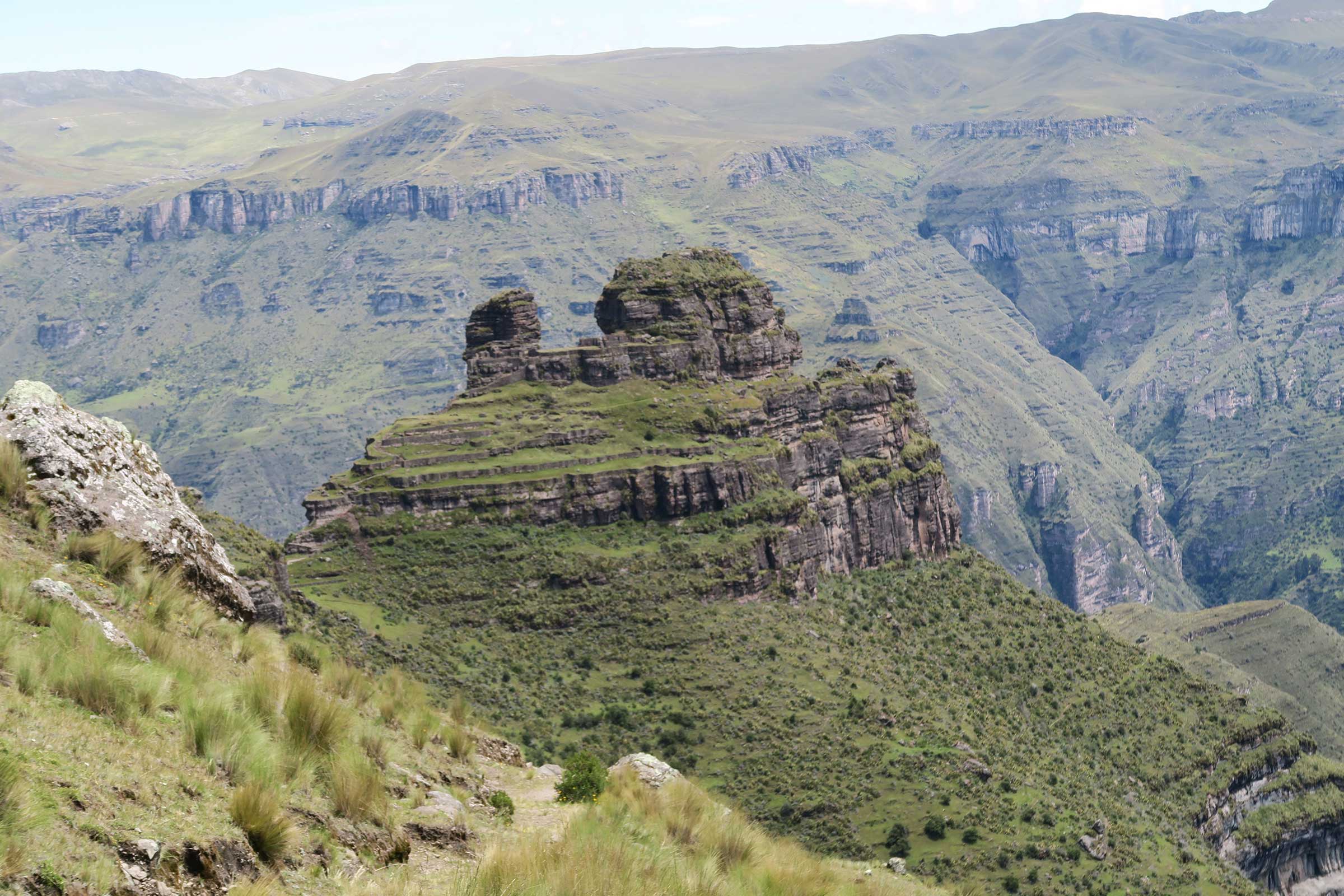
Waqrapukara Trek and Vinicunca Rainbow Mountain (2 Days / 1 Night)
Lorem ipsum dolor sit amet, consectetur adipiscing elit. Sed vestibulum lorem vitae porttitor accumsan. Integer id est ex
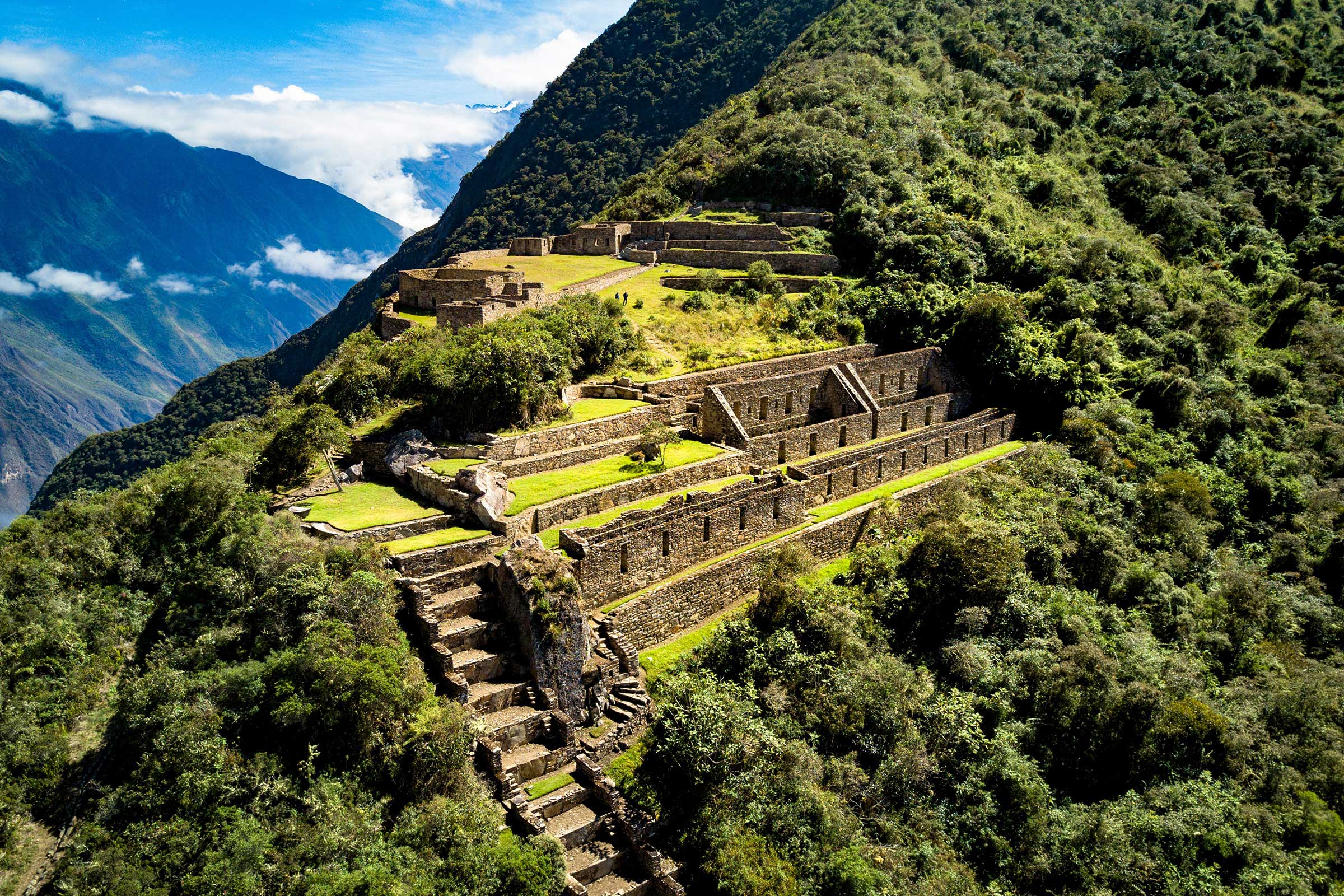
Choquequirao Trek to Machu Picchu (4 Days / 3 Nights)
Lorem ipsum dolor sit amet, consectetur adipiscing elit. Sed vestibulum lorem vitae porttitor accumsan. Integer id est ex
