

 Recommended Season:
 Trip Style:
 Group Size:
 Walking Distance:
 Meals:
 PDF TRIP ITINERARY
Trip at a Glance
Highlights of the tour
- Expert guidance from multilingual professionals at MAYUC who provide in-depth narratives on Andean customs, setting this apart from basic overviews in other tours.
- Use of agency-owned vehicles with skilled operators ensures reliable movement, unlike shared options that may face delays.
- Inclusion of entry fees to major spots like the Cathedral and Koricancha, avoiding hidden costs common in competitor packages.
- Flexible pacing allows for personal observations, making it more engaging than rushed group excursions elsewhere.
- Emphasis on organic local foods during the day, with options for adjustments, which elevates the experience over standard meals in similar MAYUC or external offerings.
- Constant oversight by a MAYUC coordinator guarantees smooth operations, a feature not always present in other agencies’ day trips.
- Detailed site explanations highlight unique Andean elements, providing deeper insights than generic descriptions in competing tours.
Trip Details
- Duration: 1 day
- Starting Price: 25 USD per person
- Advance Payment Required: 50 USD
- Lowest Elevation: 2233 meters
- Highest Elevation: 2233 meters
- Total Distance Covered: 12 kilometers
- Suggested Time of Year: March through December
- Tour Category: Standard cultural exploration
- Main Areas Explored: Cusco and nearby Inca sites
Trip Summary
DAY 1 — CITY TOUR CUSCO FULL DAY
- Visit Cathedral for its collection of paintings and silver works.
- Explore Koricancha Temple to see stone architecture.
- Head to Sacsayhuaman with its large limestone blocks.
- Stop at Qenqo, noting the monolith and niches.
- Continue to Puca Pucara for views of streets and patios.
- End at Tambomachay with platforms and water sources.
TRIP ITINERARY
CITY TOUR CUSCO FULL DAY
Discovering the Historical Treasures of Cusco
Cusco, the ancient capital of the Inca Empire, is home to a series of monuments that tell the fascinating story of the fusion between indigenous and colonial cultures. Below, we explore some of the most emblematic sites, highlighting their architecture, art, and cultural significance.
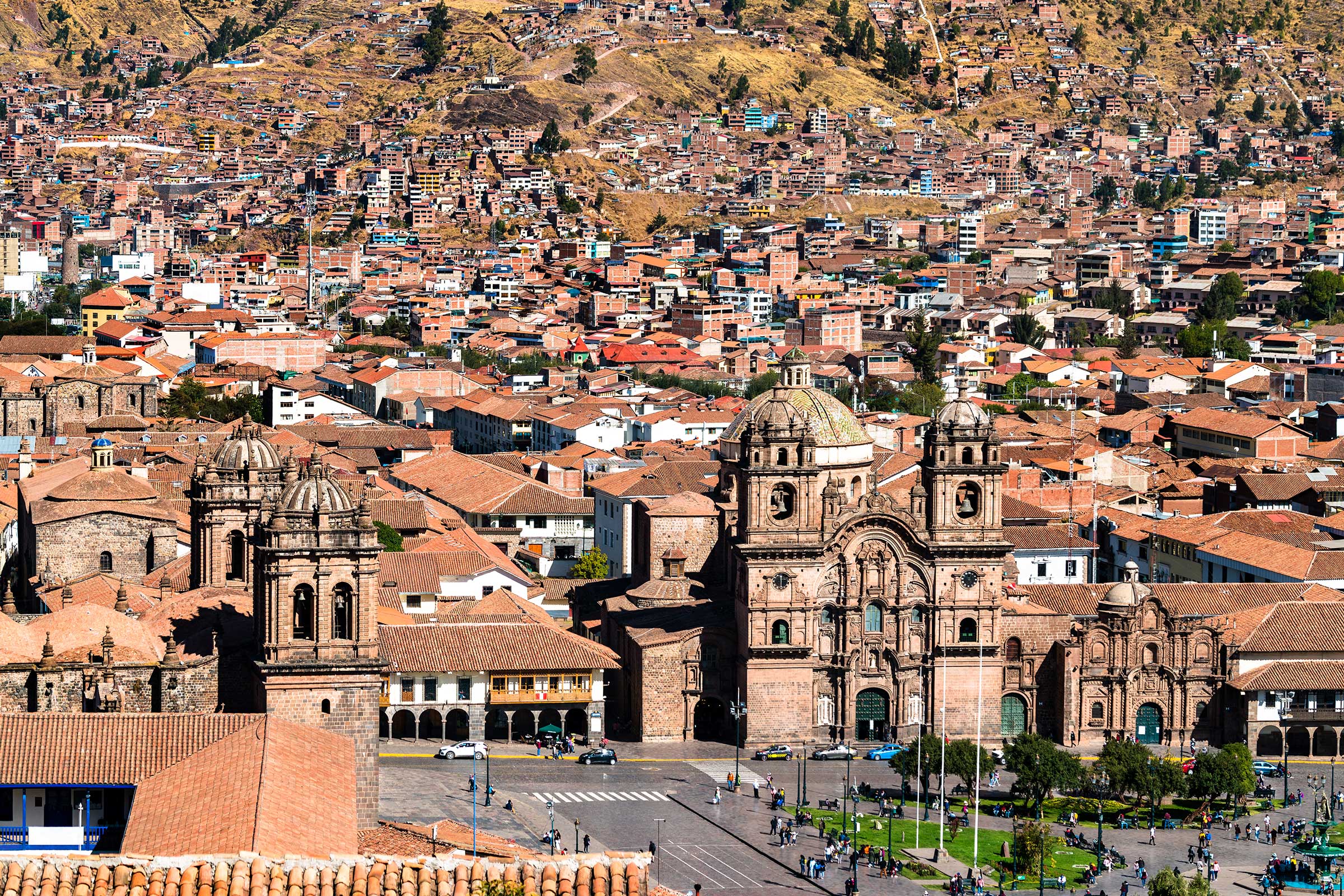
The Cusco Cathedral
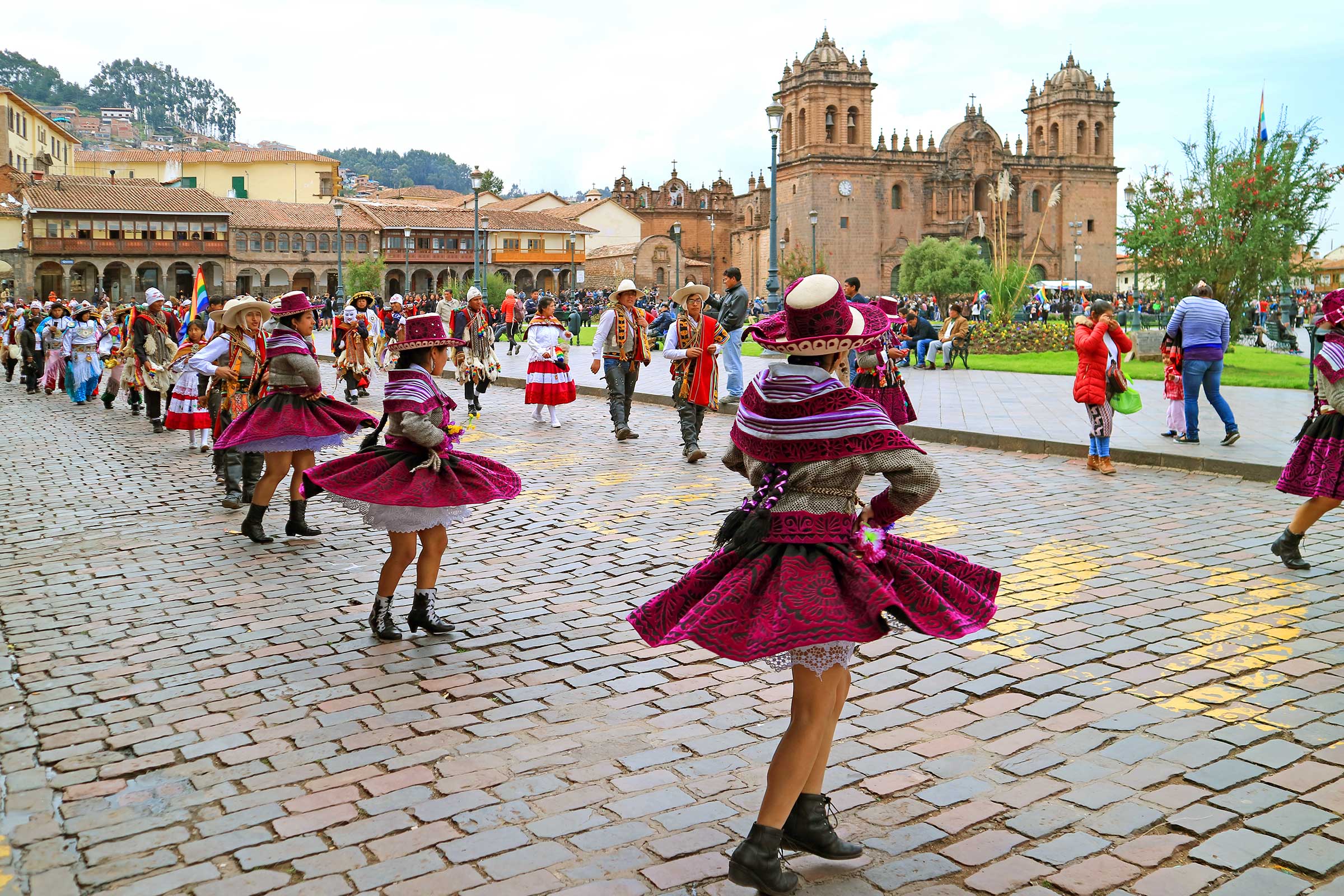
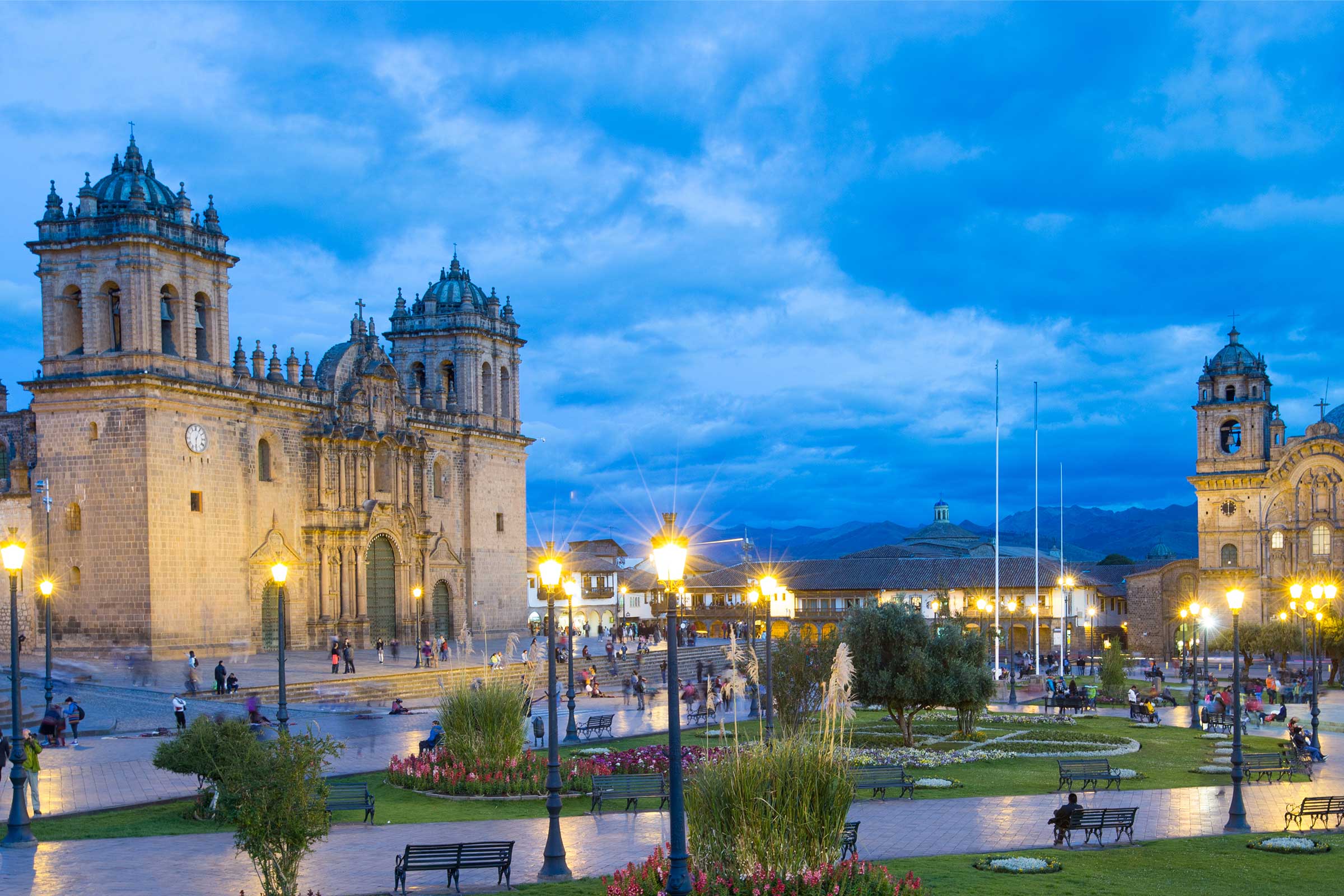
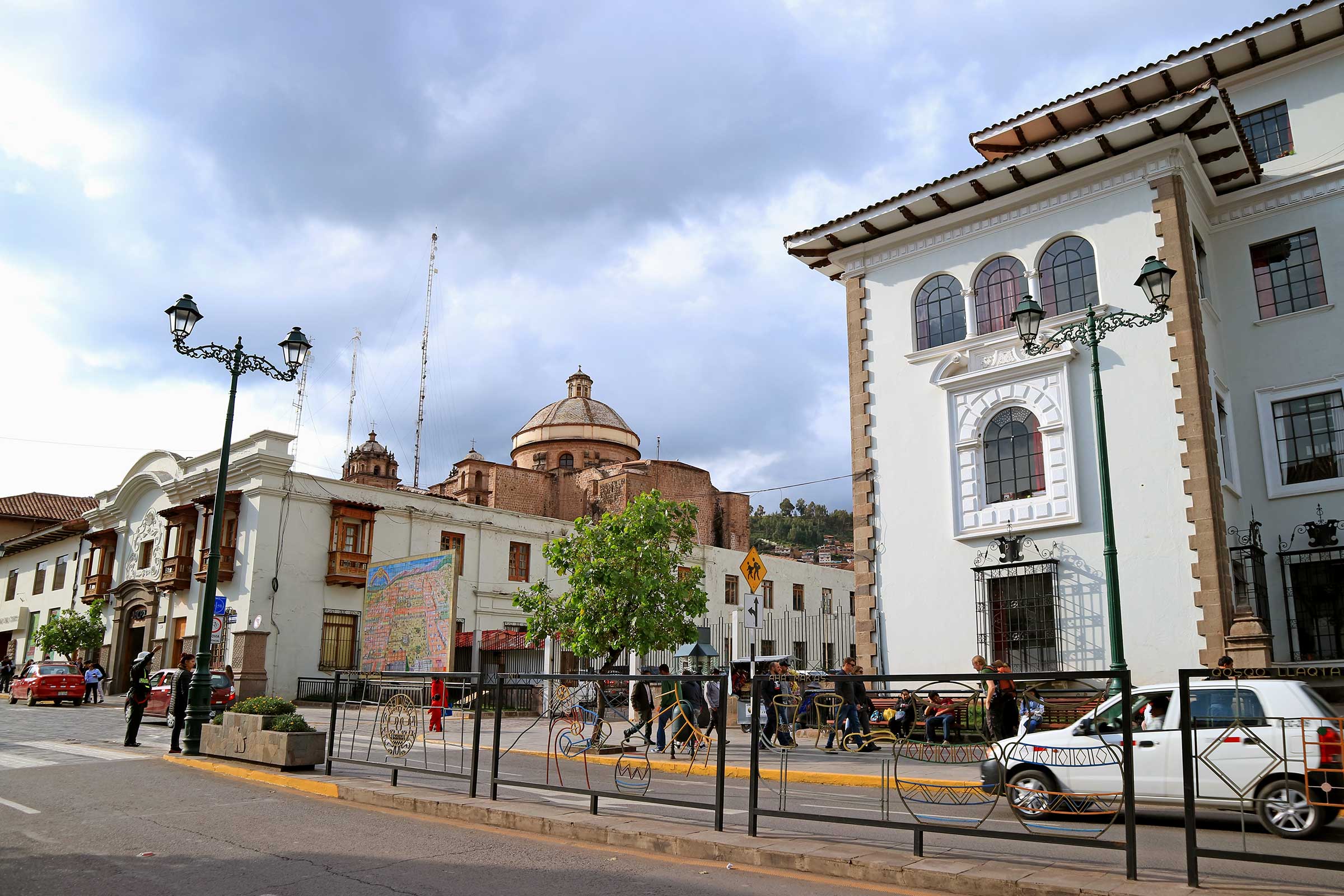
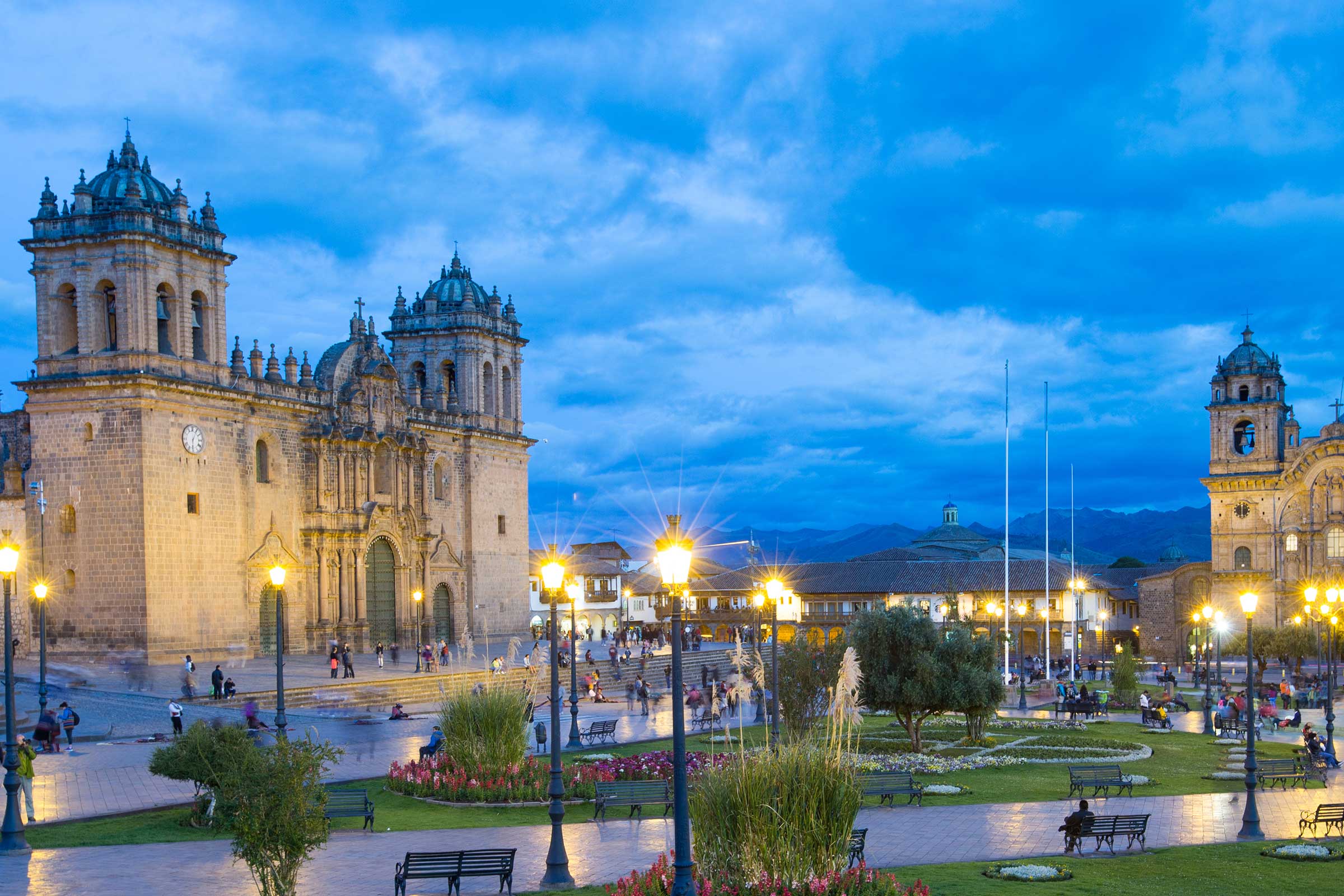
In the heart of the Plaza de Armas stands the majestic Cathedral, a colonial religious monument of extraordinary artistic value. Its interiors glow with fabulous paintings and works covered in gold leaf, along with carved wood adorned with wrought silver.
Considered one of the largest repositories of colonial art in Cusco, the Cathedral houses countless works from the Cusco School. These pieces blend 17th-century European devotional styles with the symbolism of indigenous Andean artists. If you look closely, you’ll discover unique details, such as one of the most outstanding representations: the Virgin Mary dressed in a mountain-shaped skirt, with a river flowing from its folds, clearly alluding to Pachamama, Mother Earth.
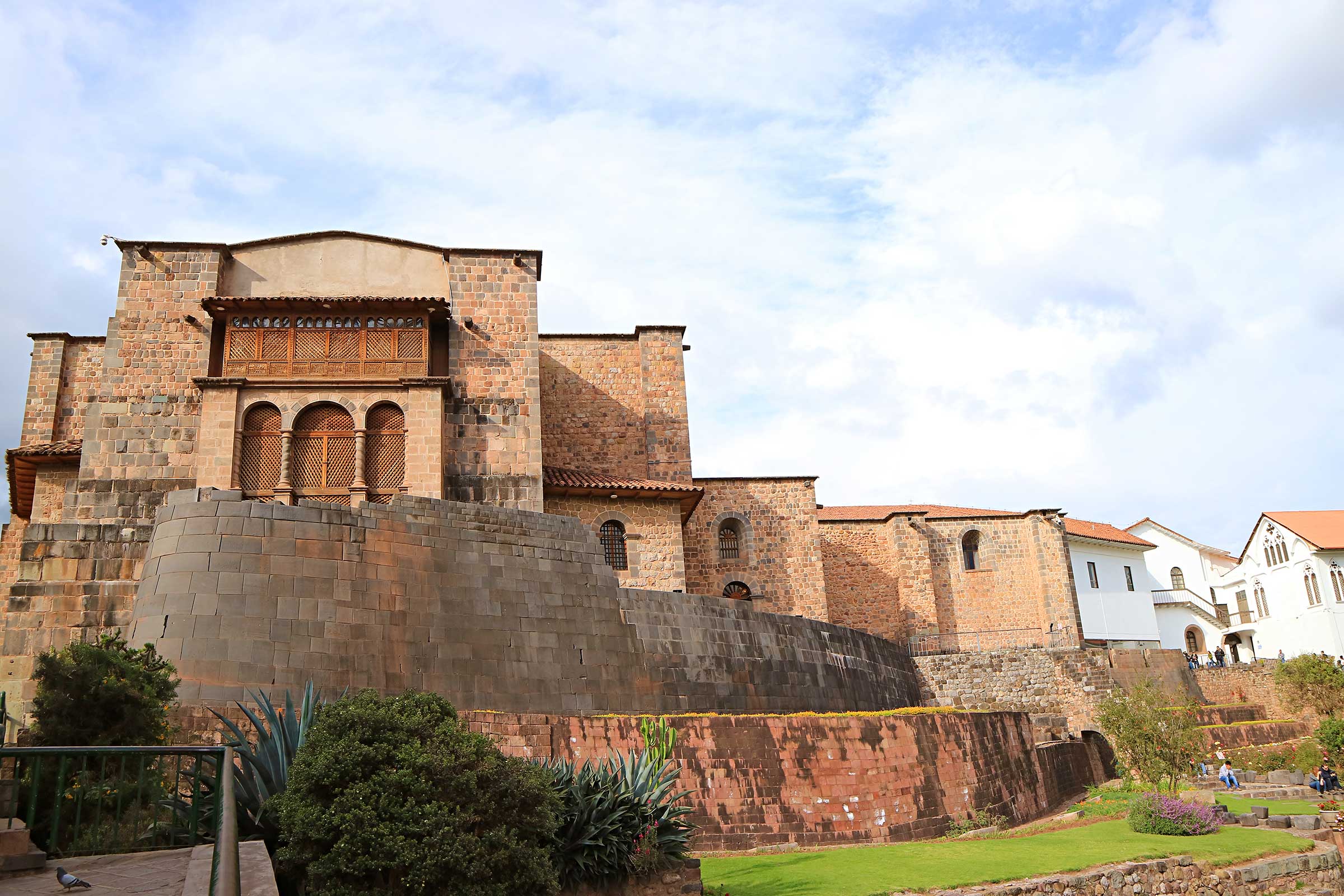
The Koricancha Temple (Qorikancha)
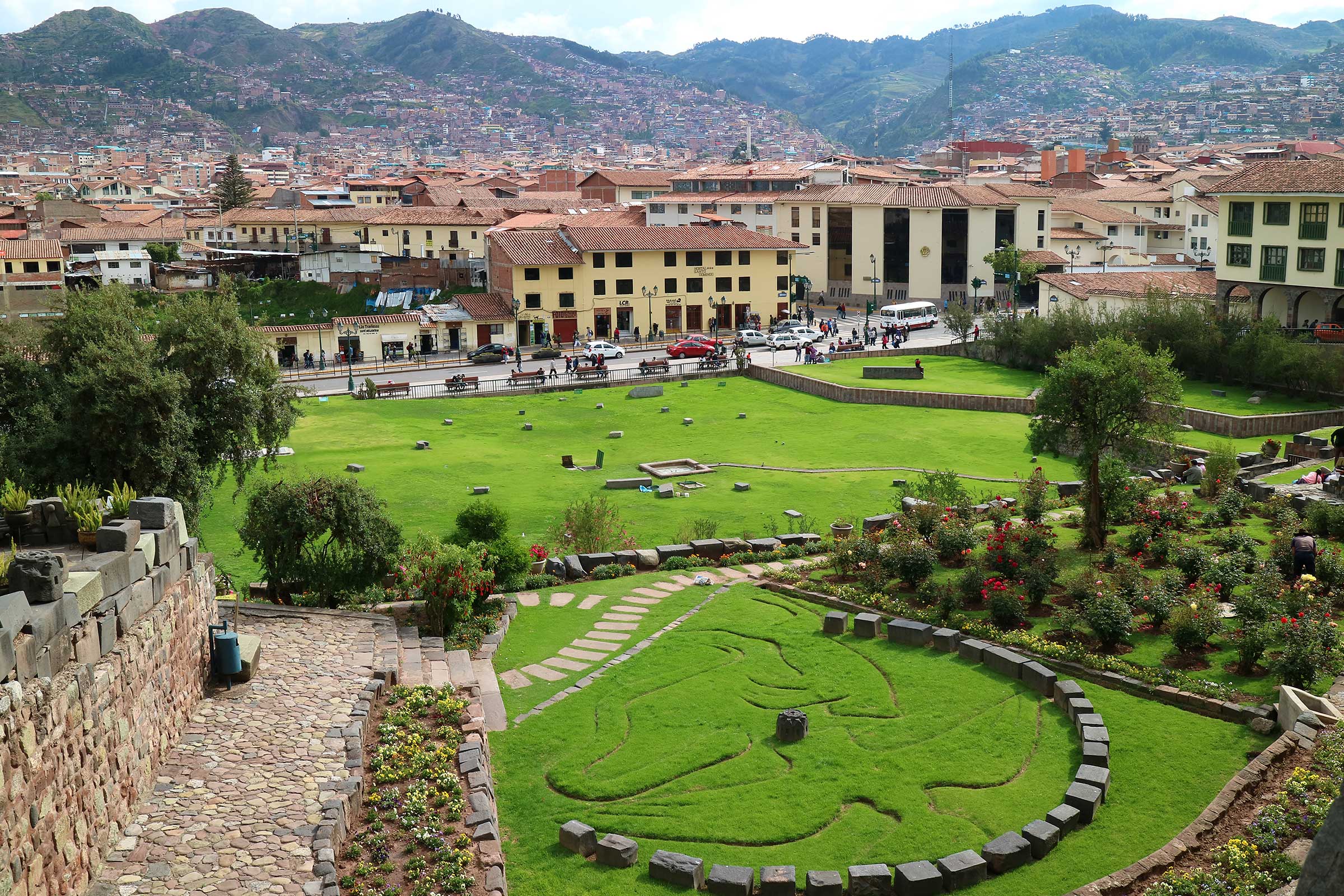
Known as the “Temple of the Sun,” Koricancha was the most important sanctuary in the Inca Empire. Its perfect architecture and precise stone construction reflect its supreme relevance in Inca cosmology.
This site is the most powerful example of the fusion between Inca and Hispanic cultures. On the foundations of the ancient Temple of the Sun of the pre-Hispanic Peruvians, the Spanish built the church and convent of Santo Domingo, symbolizing Western imposition while allowing the coexistence of the indigenous past with European architecture.
The walls were originally covered in sheets of gold and silver. Today, the enormous finely carved stone blocks impress visitors, some with more than 30 angles, including a famous 24-angled, six-sided block. Also notable are the great Inca tower, ceremonial niches with low-relief perforations related to the winter solstice, and in the lower part, fountains and gardens where conquered tribes deposited their offerings.
Worship inside the temple was reserved for the most important figures of the era, and people from across Tahuantinsuyo came to pay homage to their gods.
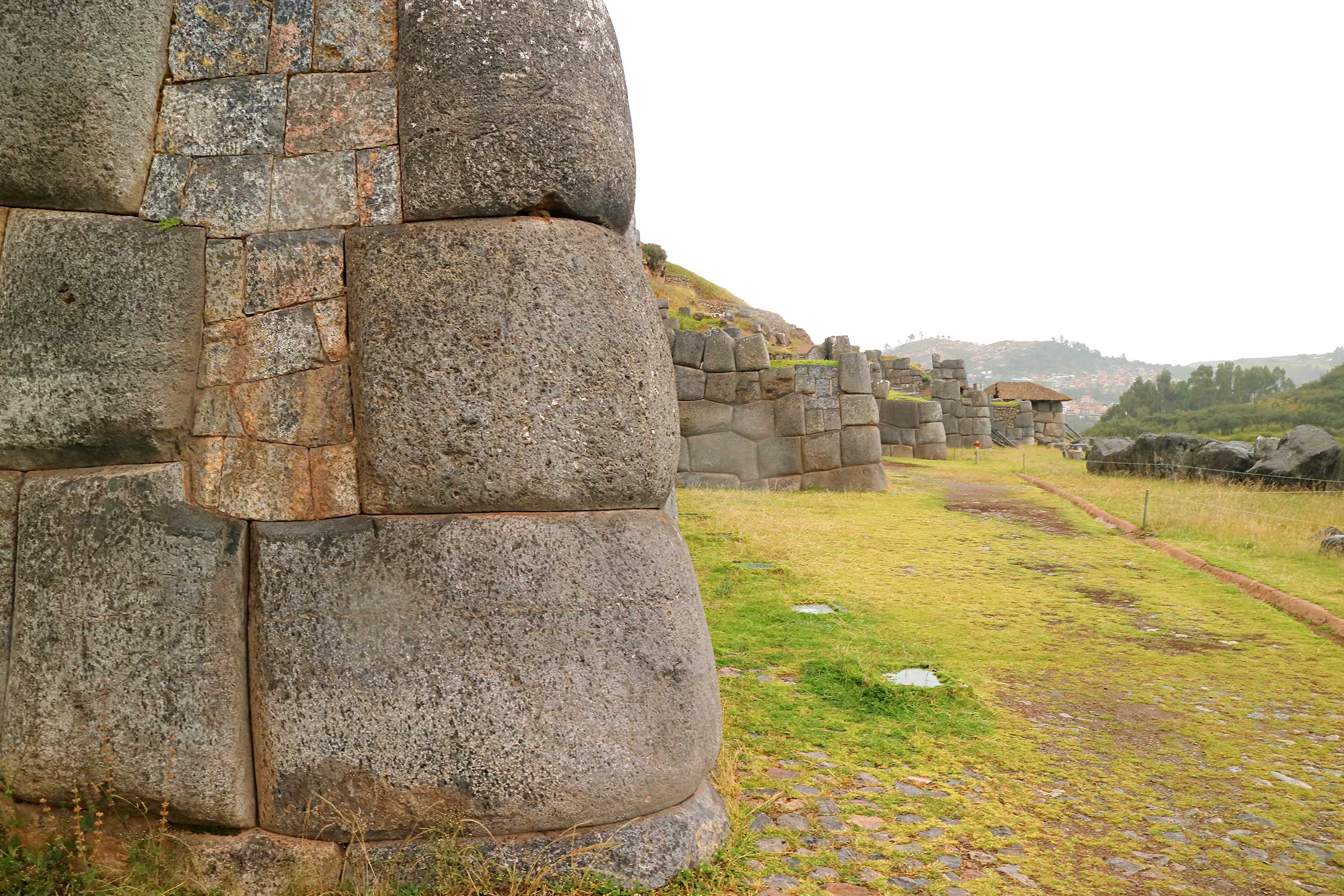
Sacsayhuamán
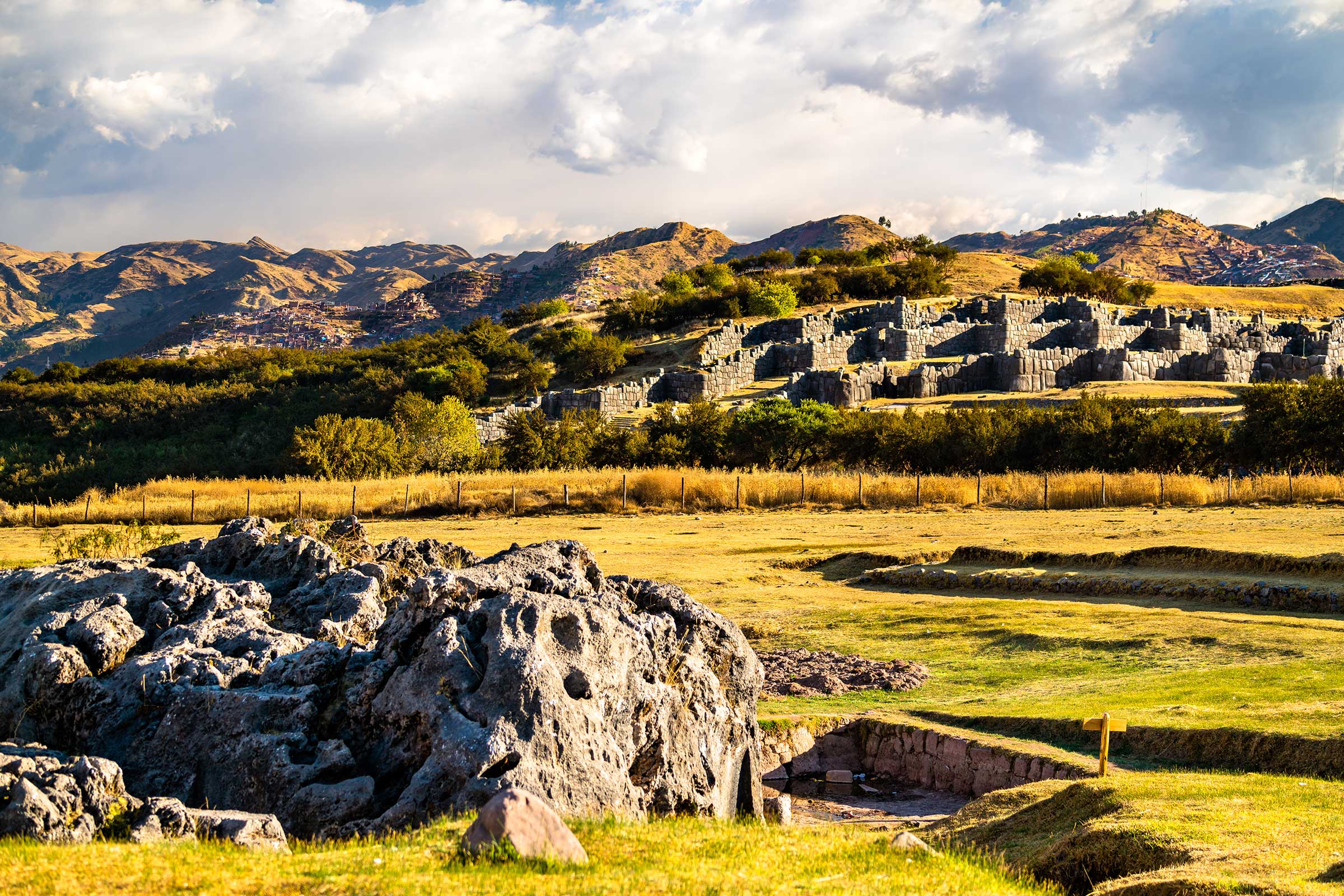
Just 3 km from Cusco, in the upper part of the city, lies the imposing Sacsayhuamán fortress, attributed to the Incas of the last dynasties. According to chroniclers, it functioned as a portable solar altar and served to protect the city from invaders from the east, known as the antis.
Its Quechua name evokes its grandeur: it consists of three enormous superimposed terraces in a zigzag pattern, bordered by colossal walls of limestone blocks of extraordinary size.
Qenqo
Just 1 km from Sacsayhuamán, Qenqo was an important ceremonial center. In its central part stands a gigantic monolith possibly representing an animal—the main deity—where offerings were placed. In the lower area, there are niches and an altar used for embalming bodies or performing sacrifices in honor of the gods.
Puca Pucara
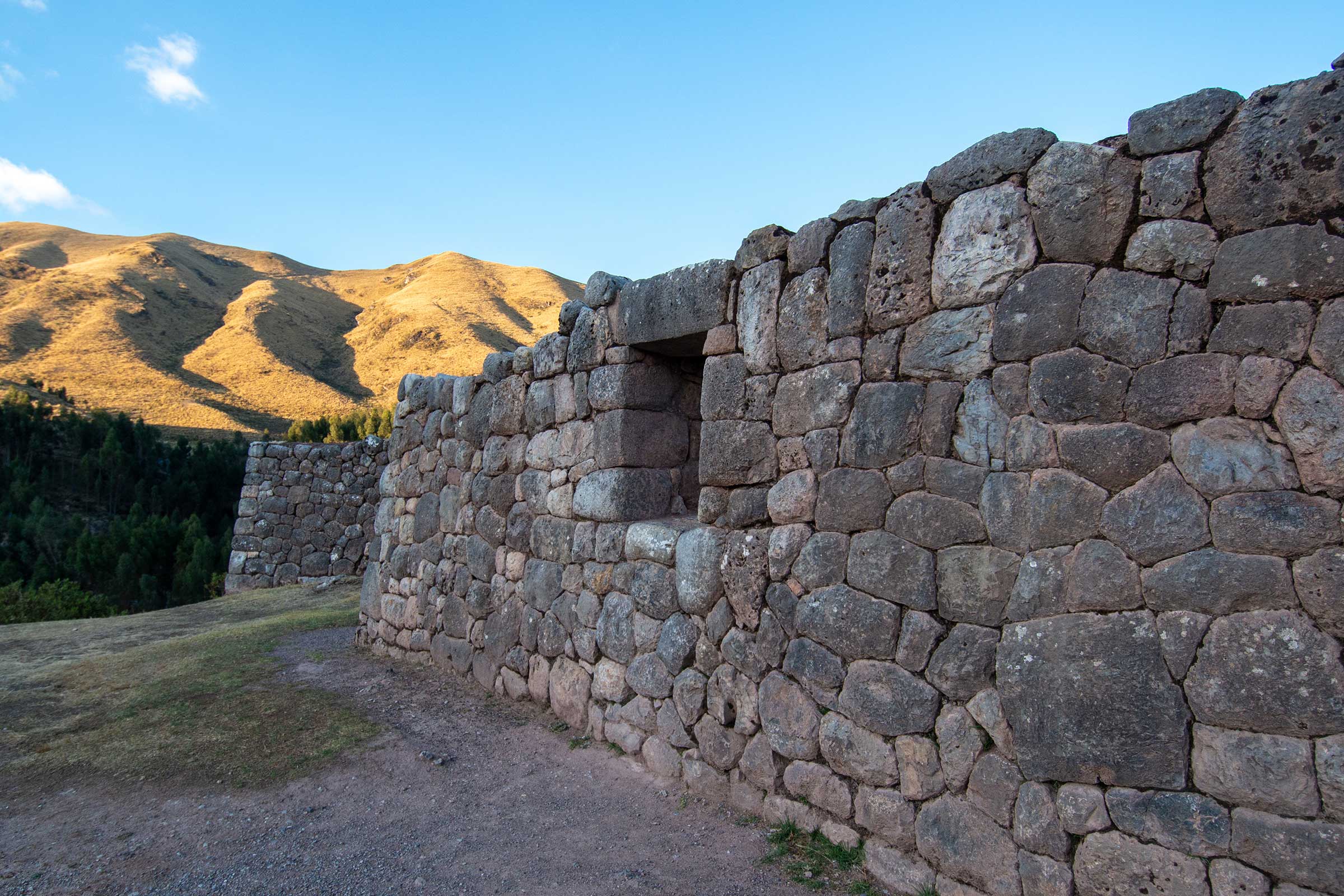
This structure served as an ancient inn or tambo, as well as a sentry post along the Inca roads. Its rustic construction includes side streets, houses, and courtyards that reflect the empire’s military and administrative functionality.
Tambomachay
Located 9 km from the city, Tambomachay is known as the “Inca baths” due to the elegant shape of its water fountains. It may also have been a temple dedicated to the worship of water and purification for the Inca ruler. It features three superimposed platforms where offerings were placed, harmoniously integrated with the surrounding landscape.
These sites not only impress with their beauty and constructive precision but also narrate the living history of a cultural encounter that shaped the identity of modern Peru. Visiting them is like traveling back in time and connecting with the Andean and colonial roots of Cusco.
Inclusions
Included
- Professional guide: Individuals from MAYUC with expertise in Andean topics, speaking several languages to cover diverse groups, ensuring clear communication on historical and cultural points.
- Tourist transportation: Private vehicles owned by MAYUC, operated by trained drivers familiar with local conditions, providing safe and timely transfers between sites.
- Tourist Ticket: Covers access to archaeological areas like Sacsayhuaman, Qenqo, Puca Pucara, and Tambomachay, allowing seamless entry without separate purchases.
- Entrance to the Cathedral and Koricancha: Fees paid in advance for visits, including time for guided explanations of artworks and structures.
Not Included
- Meals: No food provided during the day, so plan for personal breaks; options range from local eateries to spots with international choices, potentially at extra cost.
- Personal expenses: Items like souvenirs or additional drinks not covered; budget accordingly for small purchases at sites or markets.
- Travel insurance: Protection against unexpected events; recommended to arrange separately for health or cancellation coverage.
- Tips for staff: Optional gratuities for guides or drivers; based on service quality, typically in local currency.
Pricing
$ USD 25.00
Price per person
Inquire Now
What to Pack
- Sunscreen: Apply liberally to protect skin from high-altitude sun exposure, which can be stronger in the Andes; choose a broad-spectrum type with at least SPF 30 for full-day outdoor activities.
- Sunglasses: Essential for shielding eyes from bright light at elevations around 2233 meters; polarized lenses help reduce glare from stone surfaces and open areas.
- Water bottle: Stay hydrated in dry conditions; refillable ones allow easy access to water, preventing dehydration during walks between sites.
- Extra money: Carry local currency for small buys like snacks or crafts; approximately 50-100 soles covers typical needs, including any optional tips.
- Comfortable walking shoes: Footwear with good support for uneven paths at Inca sites; avoid slippery soles to handle stone steps safely.
- Light jacket: Layer for variable weather, as mornings can feel cool even in dry months; breathable material suits mild exertion.
- Small backpack: To hold personal items without bulk; useful for carrying water and sunscreen during the tour.
- Camera or phone: For capturing site details; ensure it’s charged, as outlets may not be available at remote spots.
- Identification document: Passport or ID copy for potential checks at entries; keep it secure in a pouch.
- Snacks: Energy bars or fruits for quick boosts; helpful if meal times align with hunger during the day.
Frequently Asked Questions City tour Cusco – Full Day Tour
What is Cusco famous for?
Cusco is famous for its rich history as the former capital of the Inca Empire, as well as its stunning colonial-era architecture, vibrant local culture, and proximity to popular attractions such as Machu Picchu and the Sacred Valley.
What is the best time to visit Cusco?
The best time to visit Cusco is during the dry season, which runs from May to September. During this time, the weather is mild and the trails are in their best condition. However, Cusco can be visited year-round, as the city offers a variety of indoor activities, such as visiting museums and exploring its historic center.
What kind of accommodations are available in Cusco?
Cusco offers a variety of accommodation options, from budget-friendly hostels to luxury hotels. Visitors can choose from a wide range of options to suit their preferences and budget.
How do I get to Machu Picchu from Cusco?
The most popular way to get to Machu Picchu from Cusco is by taking the scenic train ride to Aguas Calientes, followed by a short bus ride to the site. Alternatively, visitors can opt for a multi-day trek along the Inca Trail.
What is the altitude in Cusco and how can I acclimate?
Cusco is located at an altitude of over 11,000 feet, which can cause altitude sickness for some visitors. To acclimate, it is recommended to take it easy for the first few days and drink plenty of water. Visitors can also help acclimate by avoiding alcohol and caffeine and eating light, high-carb meals.
These are just a few of the many frequently asked questions for travelers visiting Cusco. By answering these questions, we hope to provide useful information and help make your visit to this fascinating city a memorable and enjoyable experience.
Travel Guide about City tour Cusco – Full Day Tour
Understanding the Climate
Cusco experiences two main seasons: dry from May to October with daytime highs of 18-22 degrees Celsius and nights cooling to 0-5 degrees, and wet from November to April with frequent rains but warmer averages. Sudden shifts happen due to mountains, so layers work best. I once got caught in a quick shower without a poncho, learning to always check apps like local weather services.
| Month | Average High (°C) | Average Low (°C) | Rainfall (mm) |
| January | 19 | 7 | 145 |
| June | 20 | 0 | 5 |
| December | 20 | 6 | 120 |
Local People and Customs
Residents in Cusco blend Quechua roots with modern life, often greeting warmly in markets. They value respect for sacred sites, so quiet voices help. Sharing a meal can lead to stories about family traditions. People here farm terraces passed down generations, showing resilience.
Typical Foods
Meals feature potatoes in over 3000 varieties, corn, and meats like alpaca. Try aji de gallina for creamy spice or fresh trout from rivers. Vegetarian quinoa salads use organic produce. Anecdote: A vendor explained how her grandmother’s recipe uses herbs for digestion, tying to health practices.
Free Places to Explore
San Blas neighborhood offers artisan views without entry costs. Plaza de Armas benches allow observing daily life. Hike to Cristo Blanco statue for city panoramas, no fees involved. These spots refresh between structured activities.
Affordable Eating Spots
Street stalls sell empanadas for 2-5 soles, fresh and filling. Local eateries near markets offer set menus under 15 soles, including soup and main. Avoid tourist traps; ask guides for hidden gems serving family-style portions.
Dressing Appropriately Year-Round
Wear breathable pants and shirts for sun protection, adding hats. In rainier months, waterproof jackets and boots prevent slips. For sites, cover shoulders and knees out of respect. All year, sturdy shoes handle cobbles; I layered thermals in June evenings to stay comfortable.
Physical Effort and Health Needs
The tour involves walking 1-2 hours total on uneven stones, with short inclines at 3400 meters. Moderate fitness suffices, but those with knee issues might tire. Health-wise, consult for altitude meds; drink 3 liters water daily. No intense climbs, but pacing helps; one traveler I knew rested often to enjoy fully.
Reviews about City tour Cusco – Full Day Tour
Optional Trips
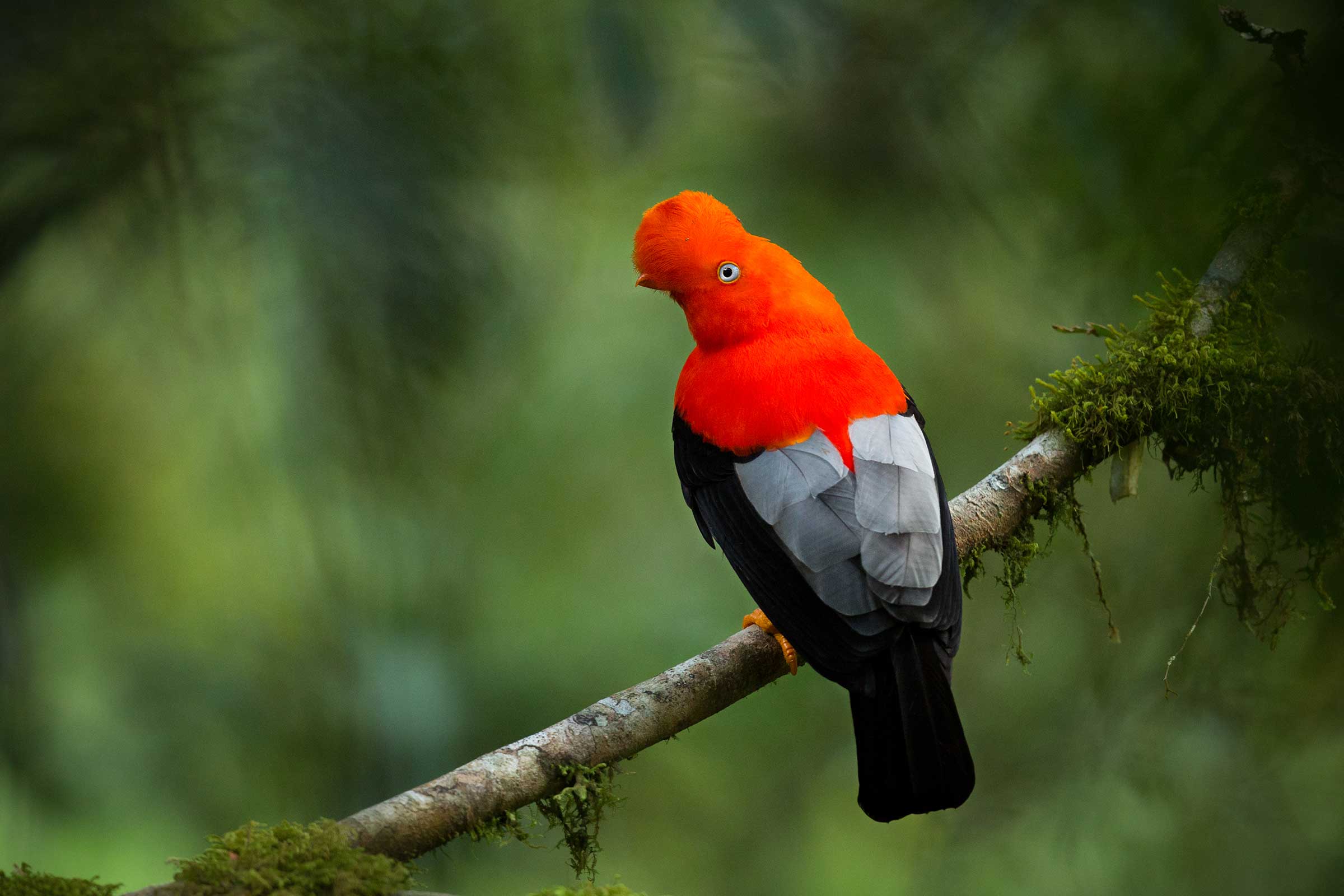
Amazonas Lodge – Puerto Maldonado (4 Days / 3 Nights)
Lorem ipsum dolor sit amet, consectetur adipiscing elit. Sed vestibulum lorem vitae porttitor accumsan. Integer id est ex

Rafting on the Apurimac River (3 Days / 2 Nights)
Lorem ipsum dolor sit amet, consectetur adipiscing elit. Sed vestibulum lorem vitae porttitor accumsan. Integer id est ex
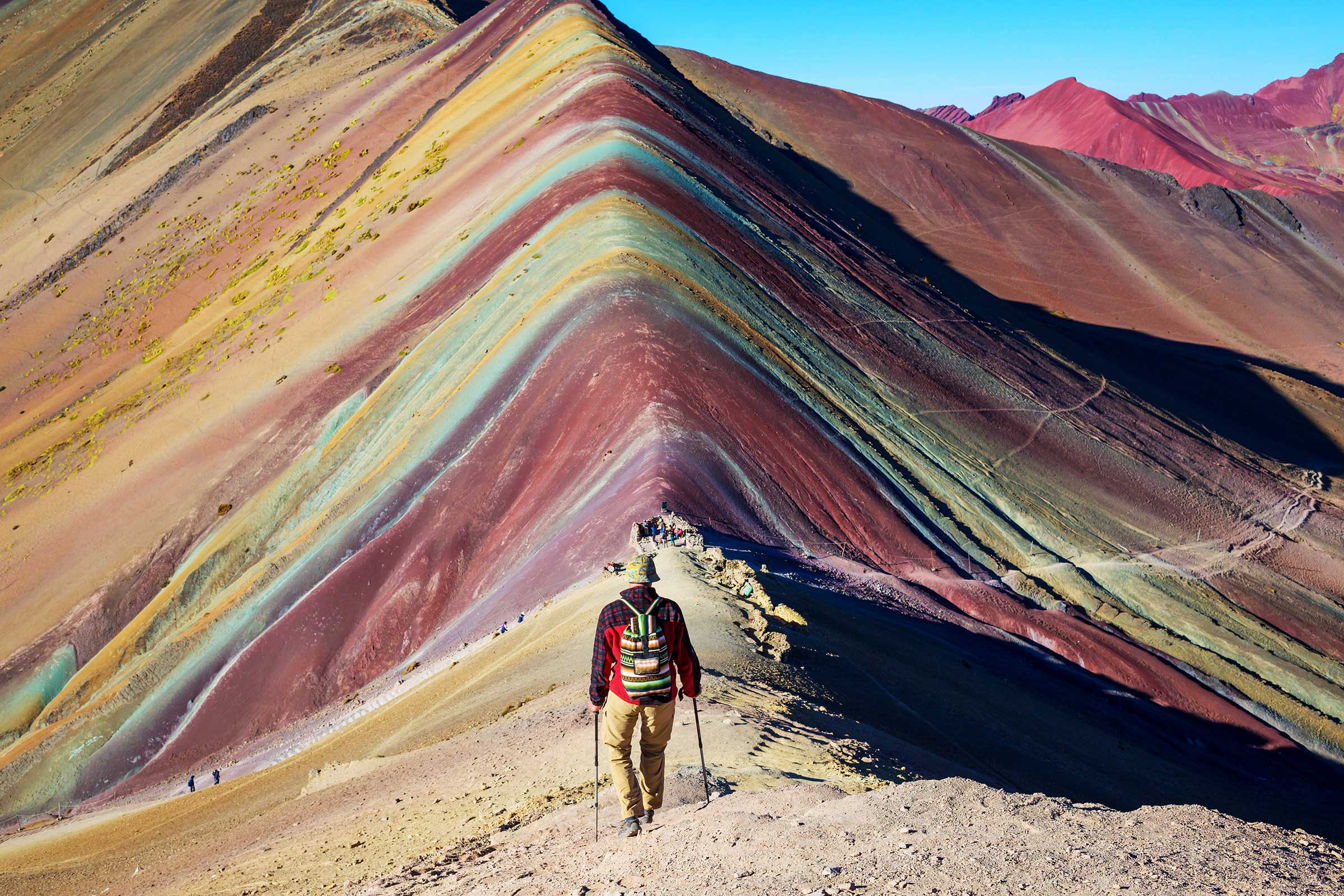
Rainbow Mountain Vinicunca with overnight at Cusipata River Lodge (Full Day)
Lorem ipsum dolor sit amet, consectetur adipiscing elit. Sed vestibulum lorem vitae porttitor accumsan. Integer id est ex
Apurimac River Black Canyon Full day -1 Day
Lorem ipsum dolor sit amet, consectetur adipiscing elit. Sed vestibulum lorem vitae porttitor accumsan. Integer id est ex
Waqrapukara Trek and Vinicunca Rainbow Mountain (2 Days / 1 Night)
Lorem ipsum dolor sit amet, consectetur adipiscing elit. Sed vestibulum lorem vitae porttitor accumsan. Integer id est ex
City tour Cusco – Full Day Tour
Lorem ipsum dolor sit amet, consectetur adipiscing elit. Sed vestibulum lorem vitae porttitor accumsan. Integer id est ex
